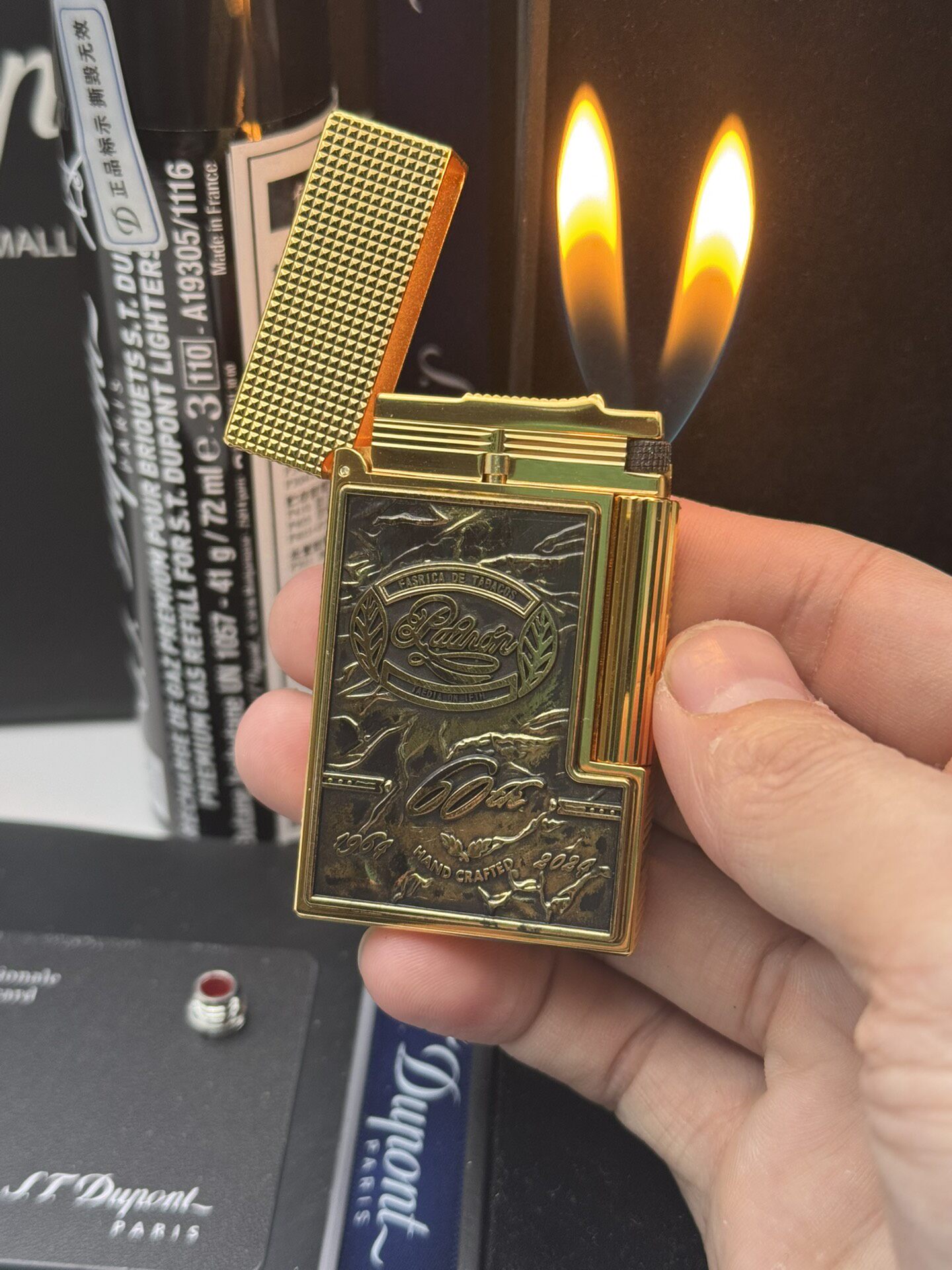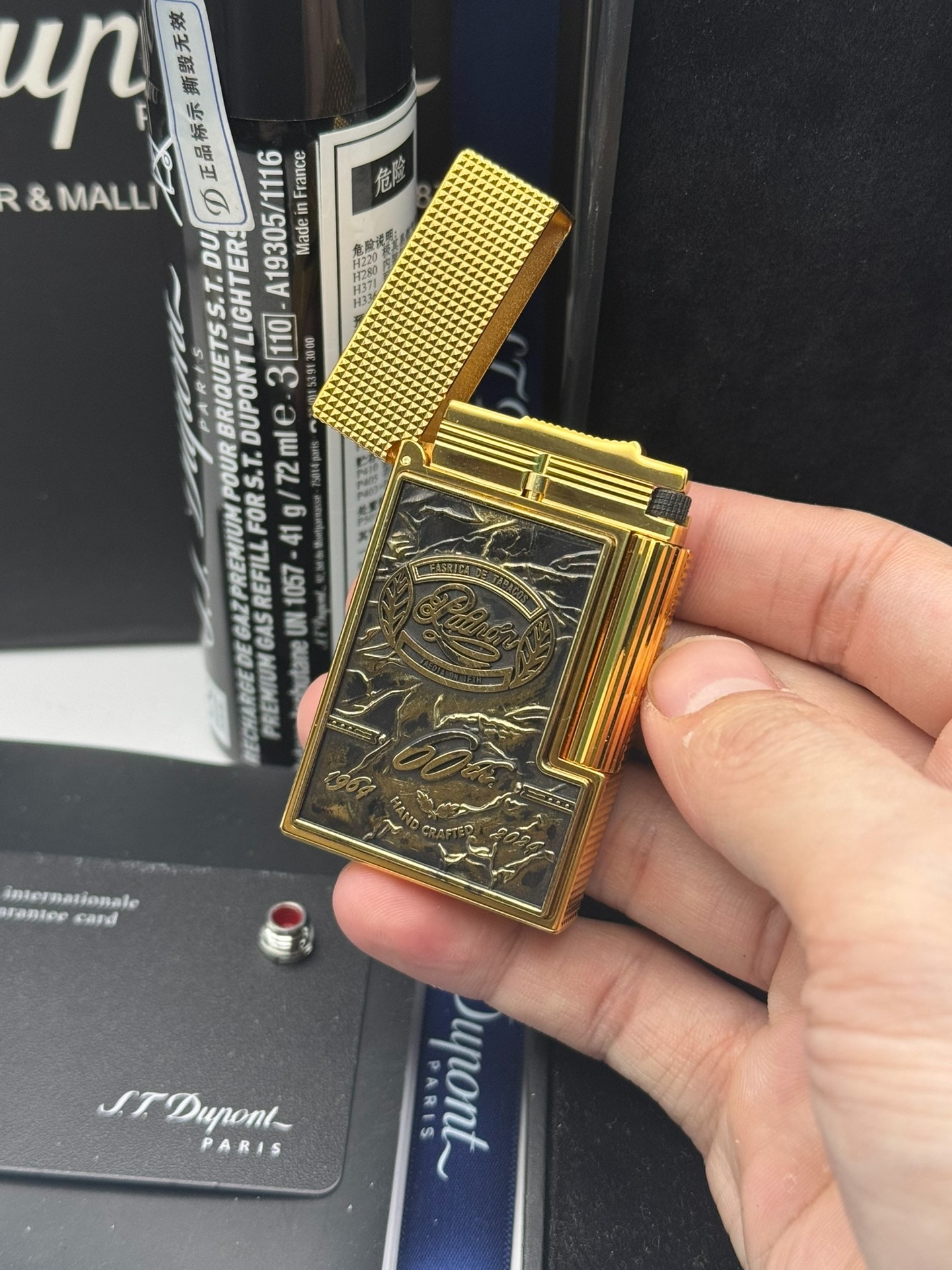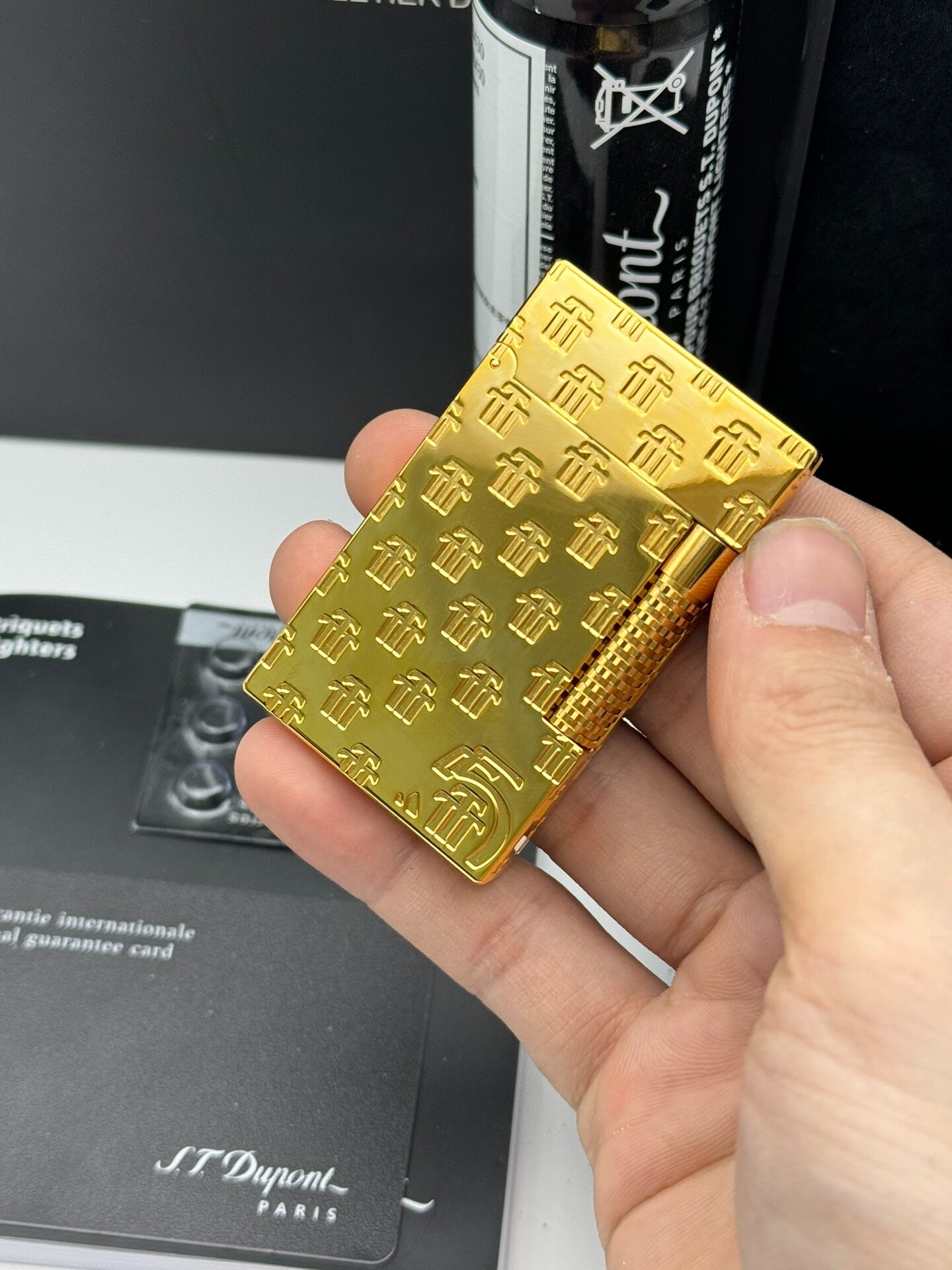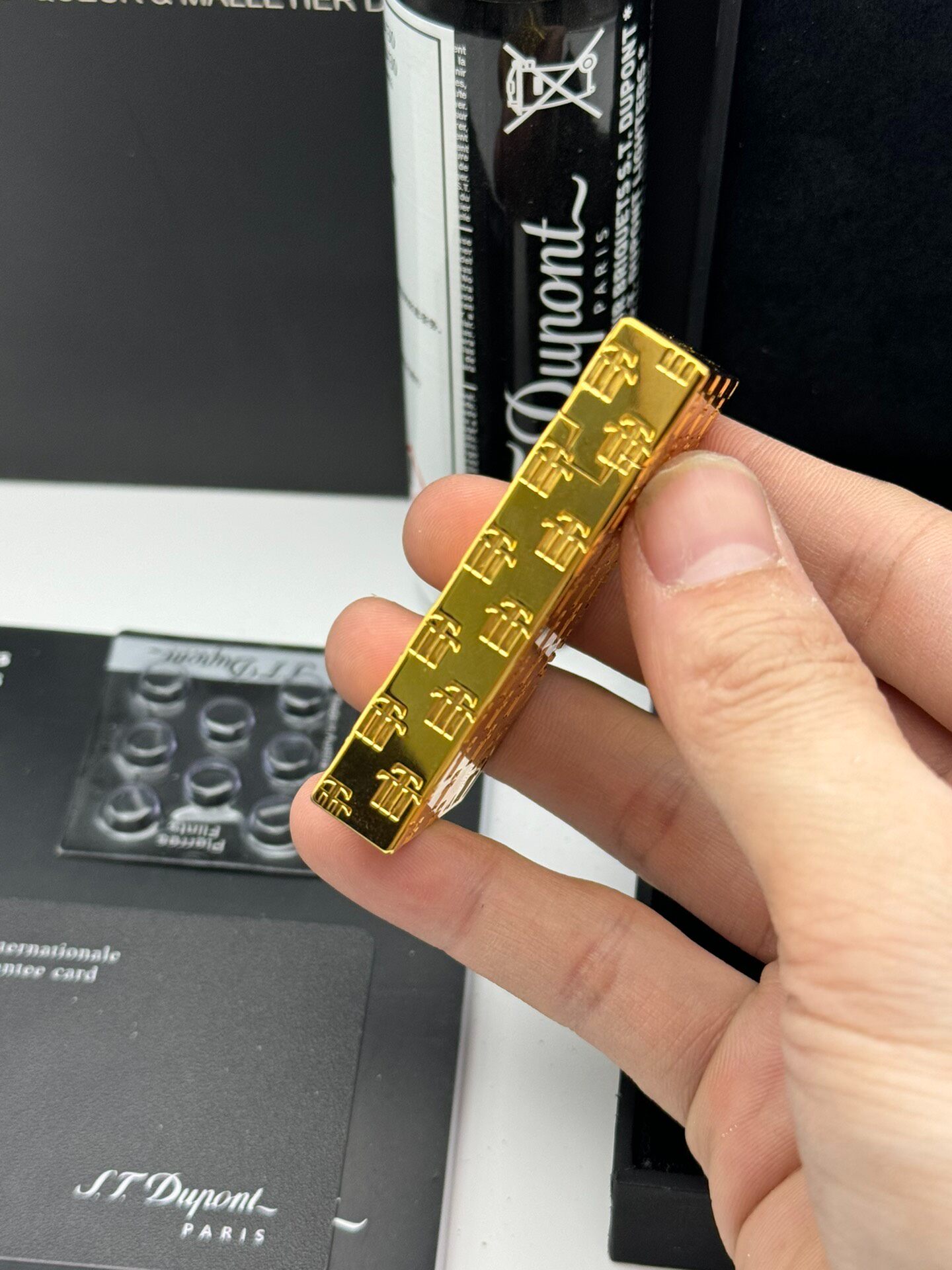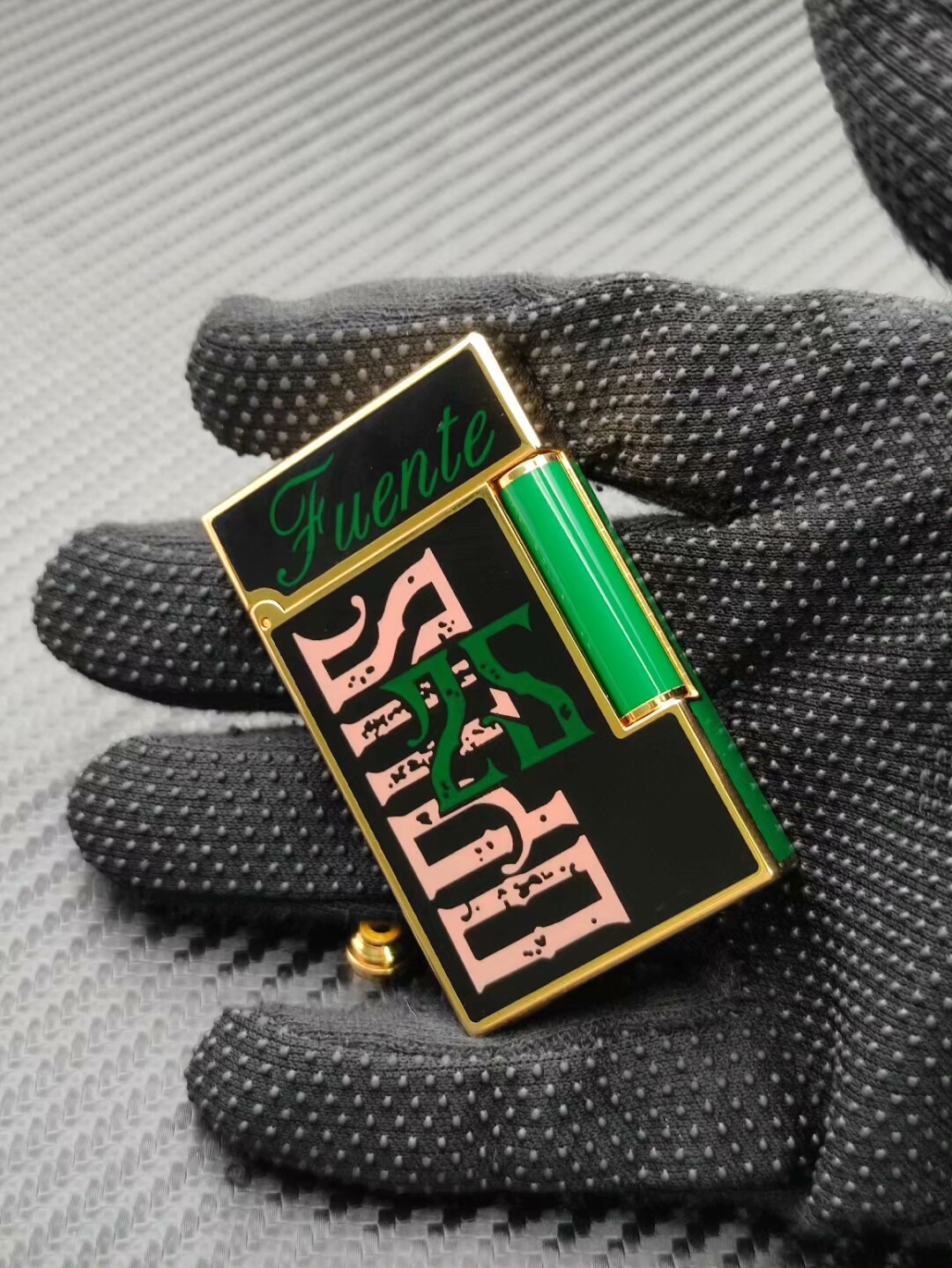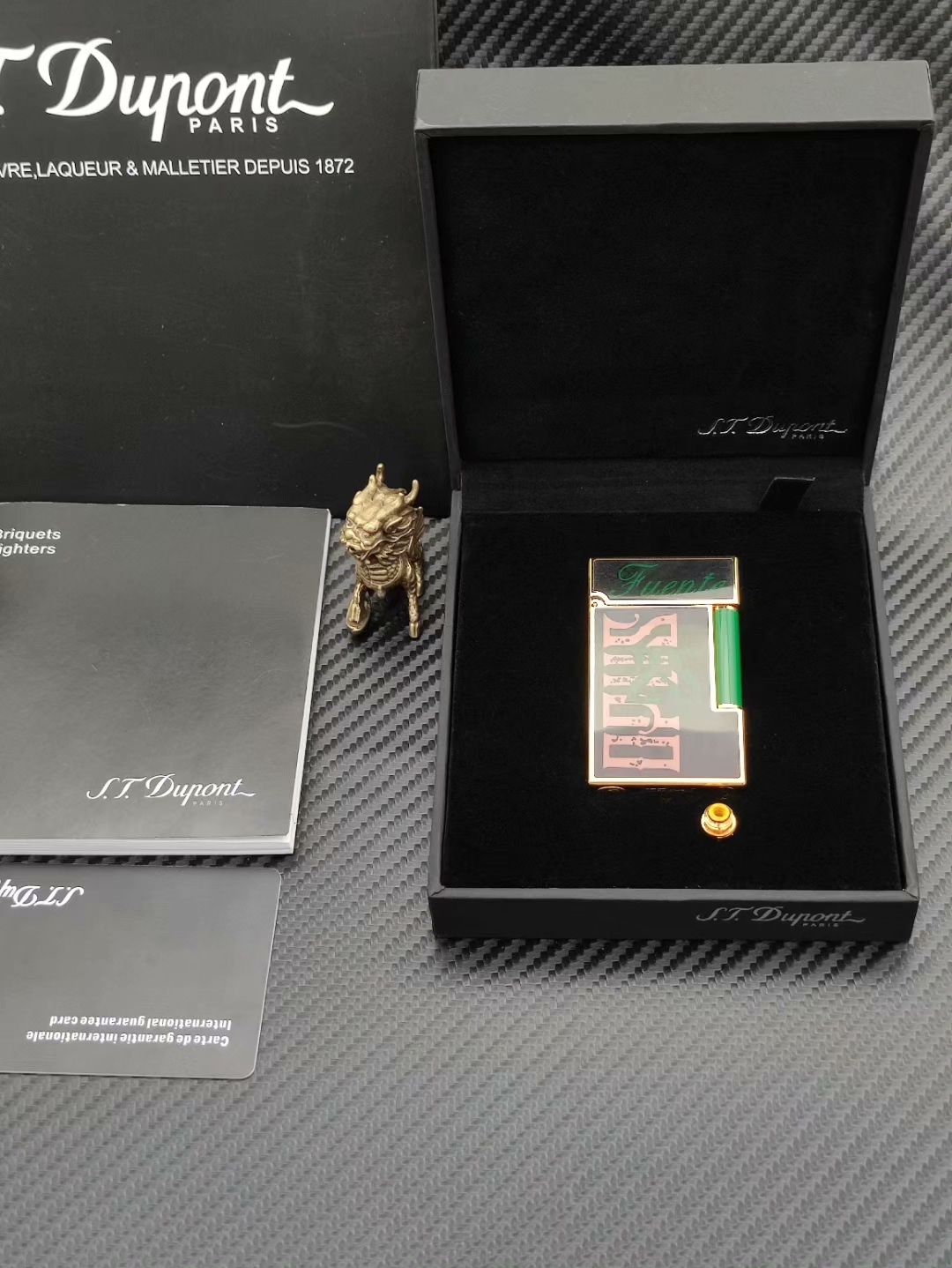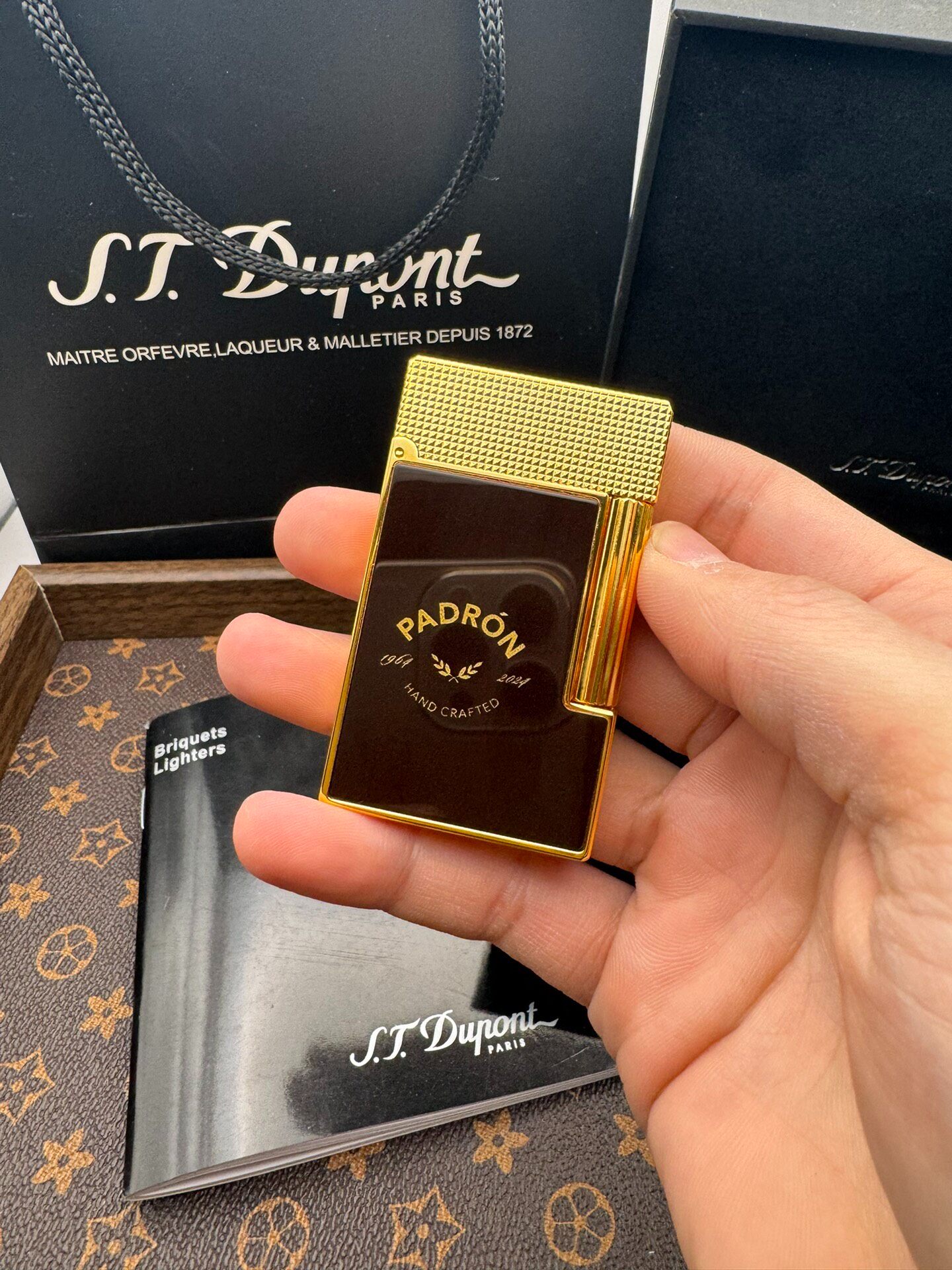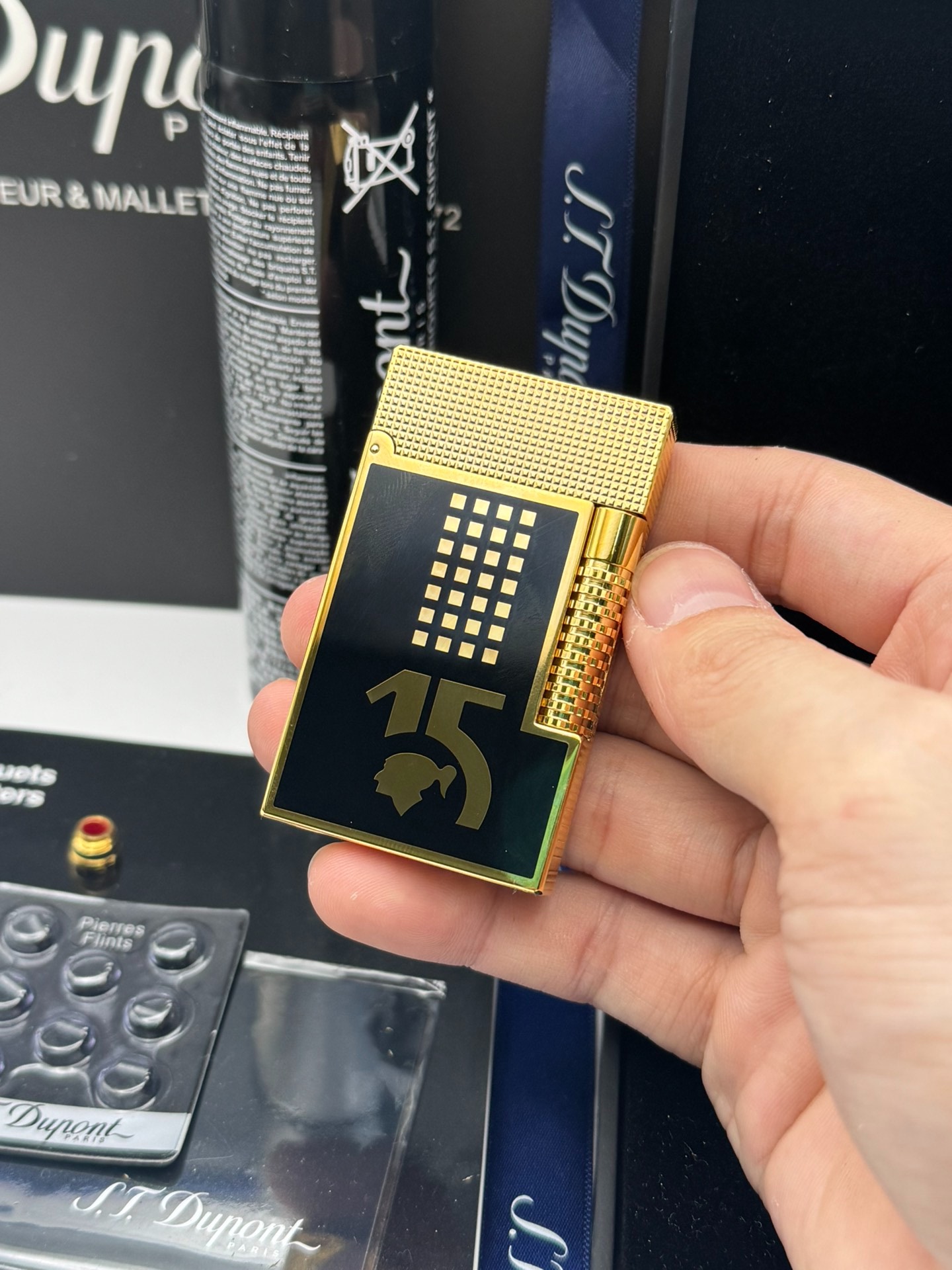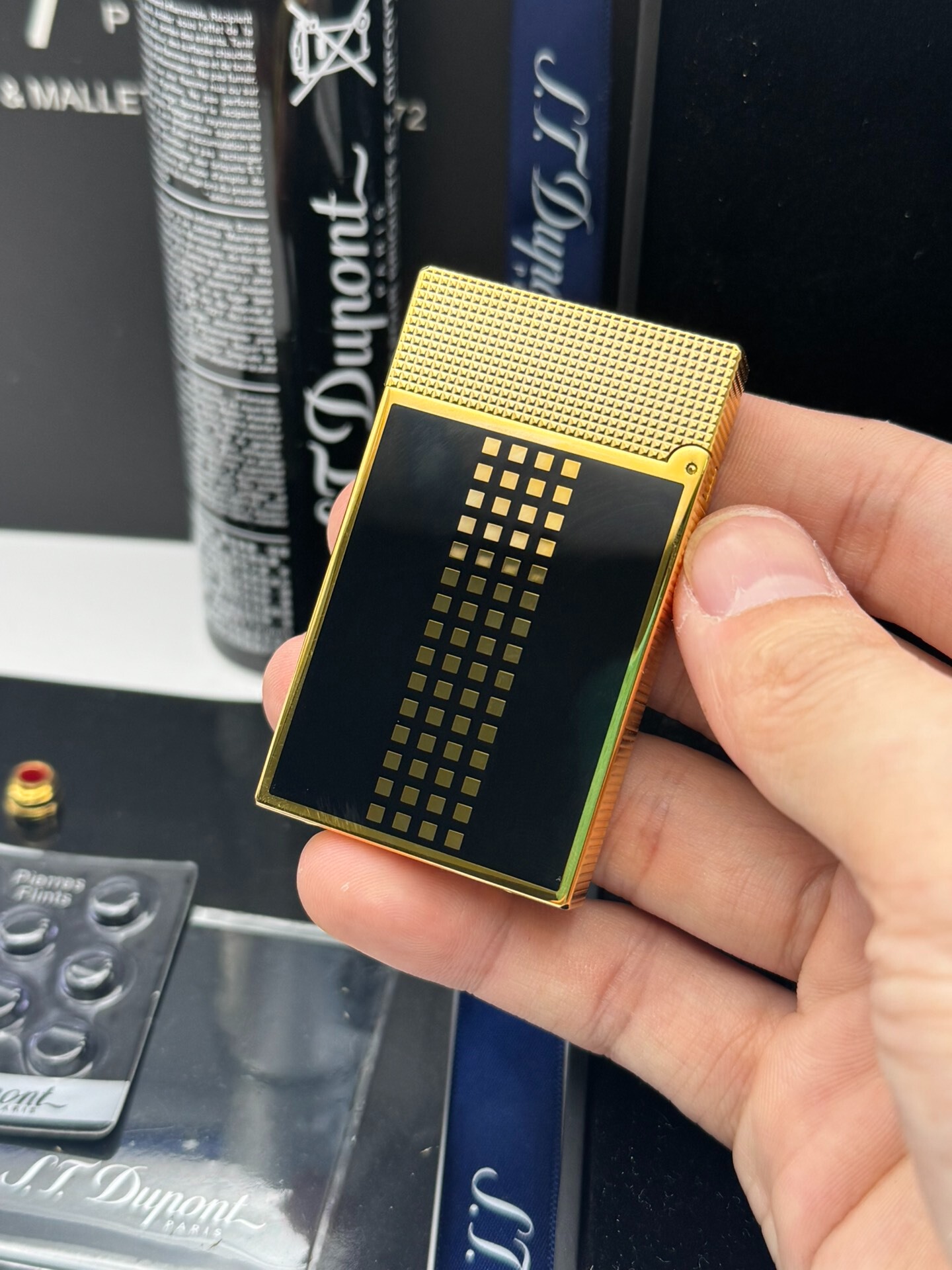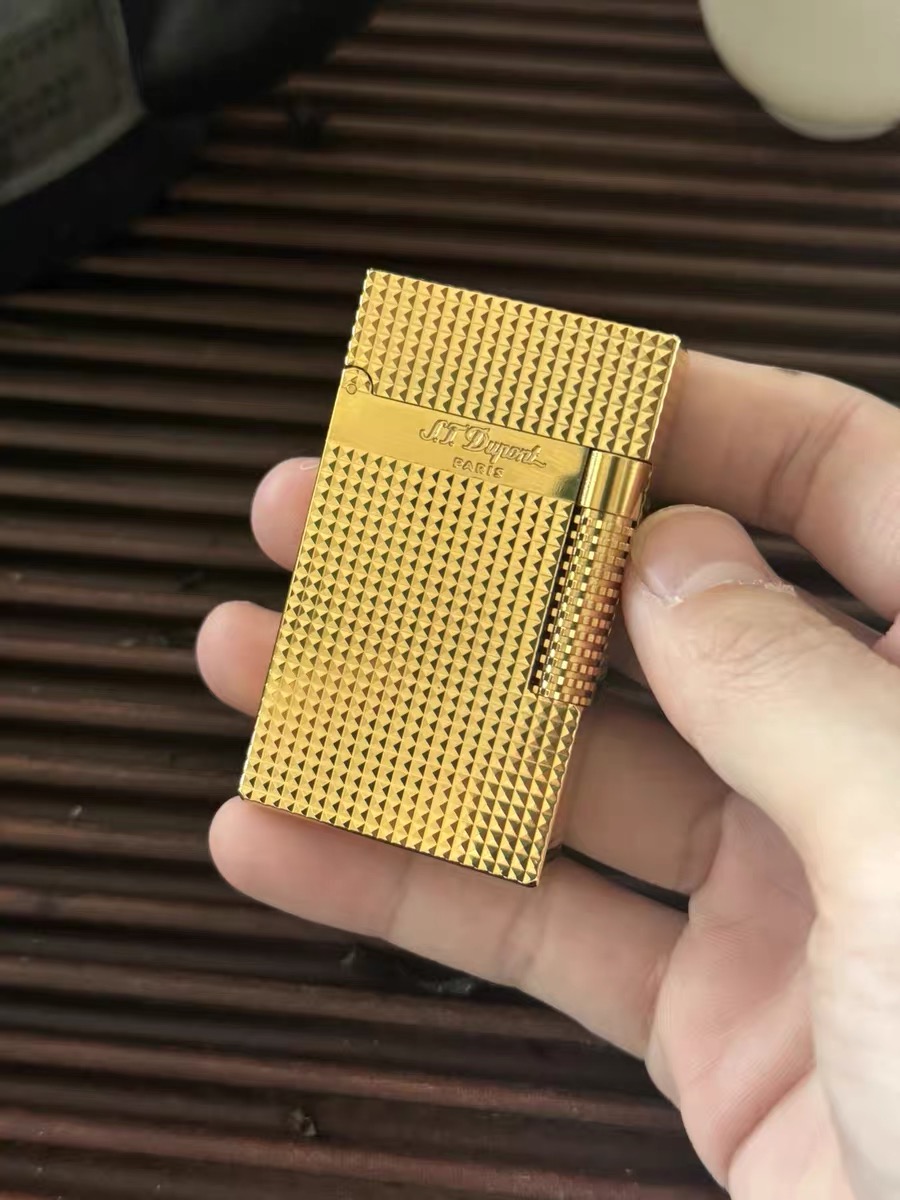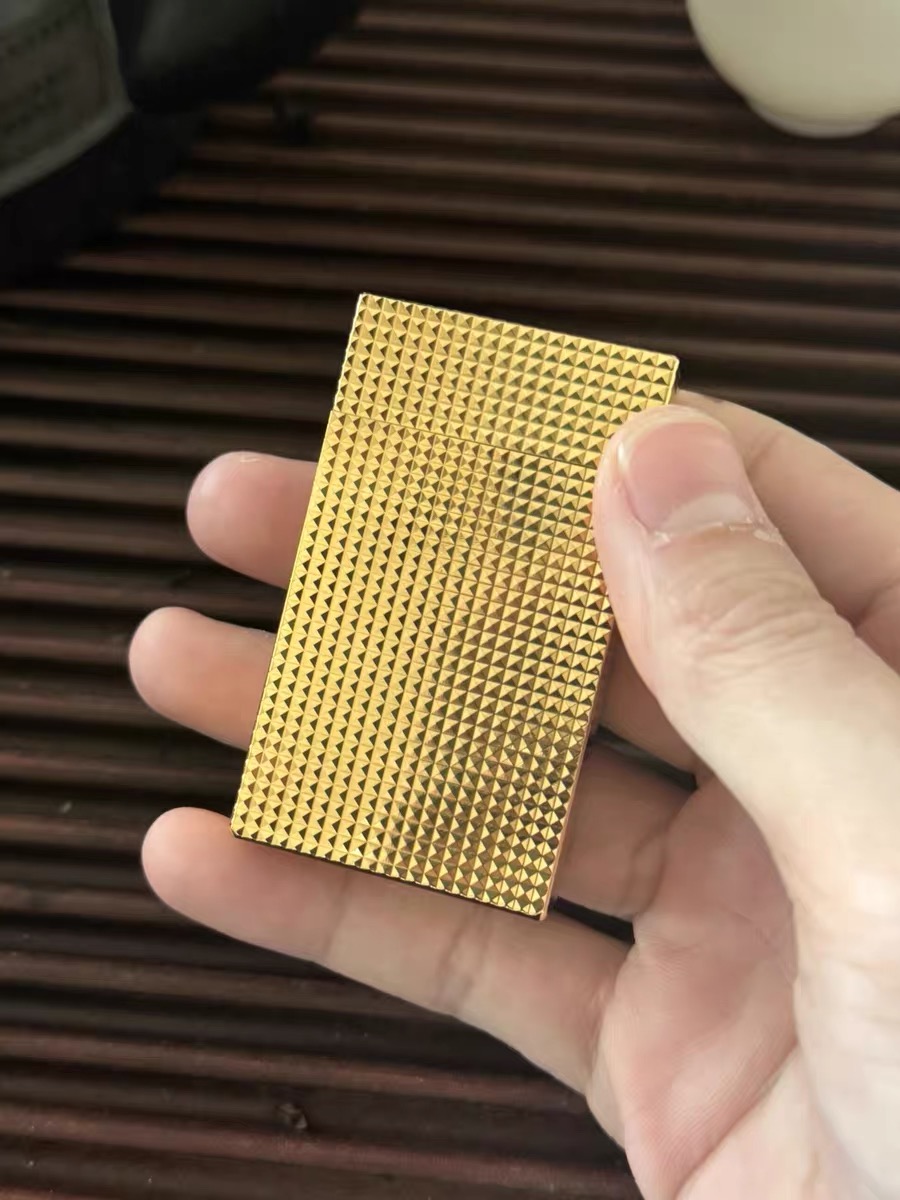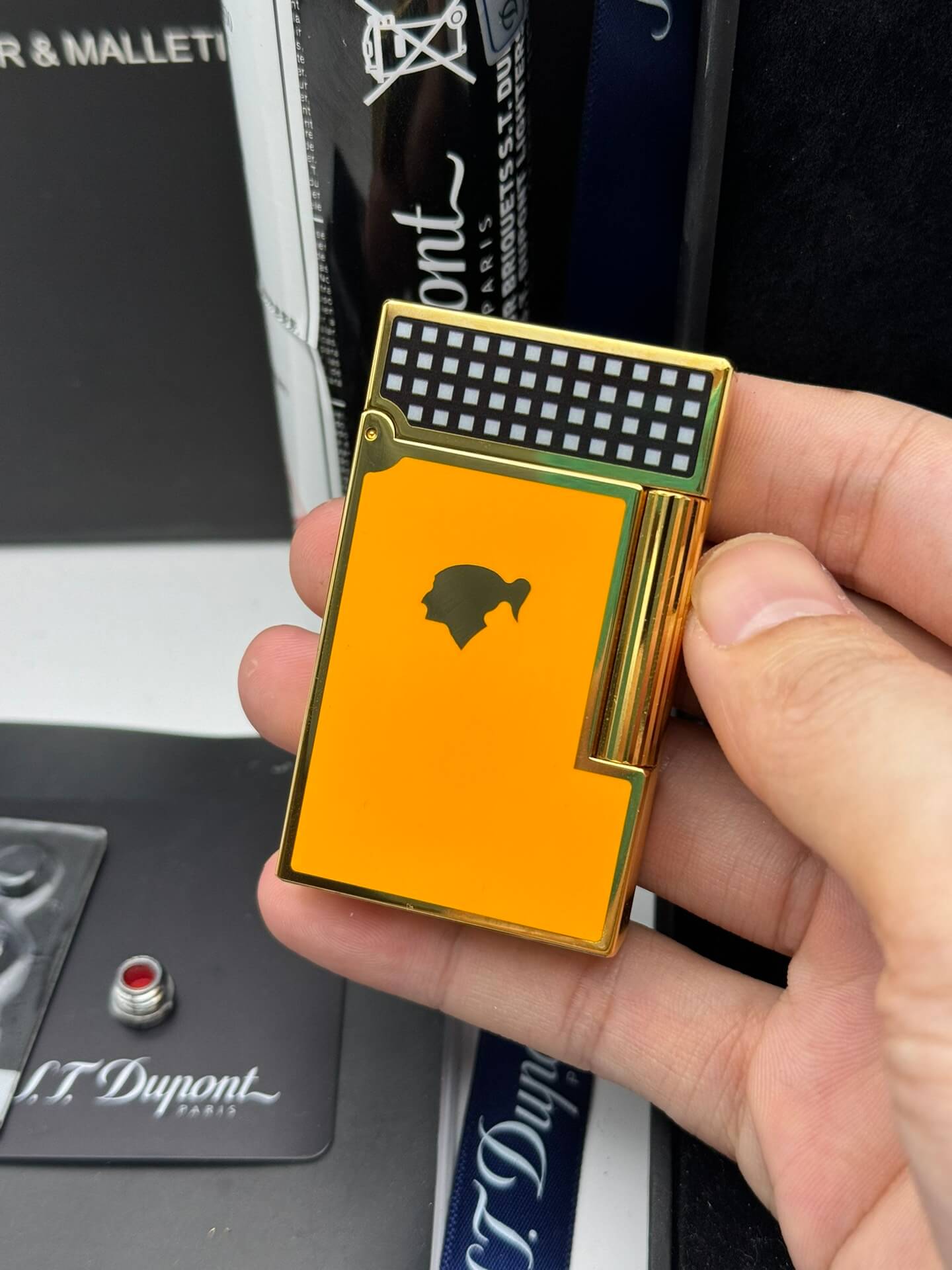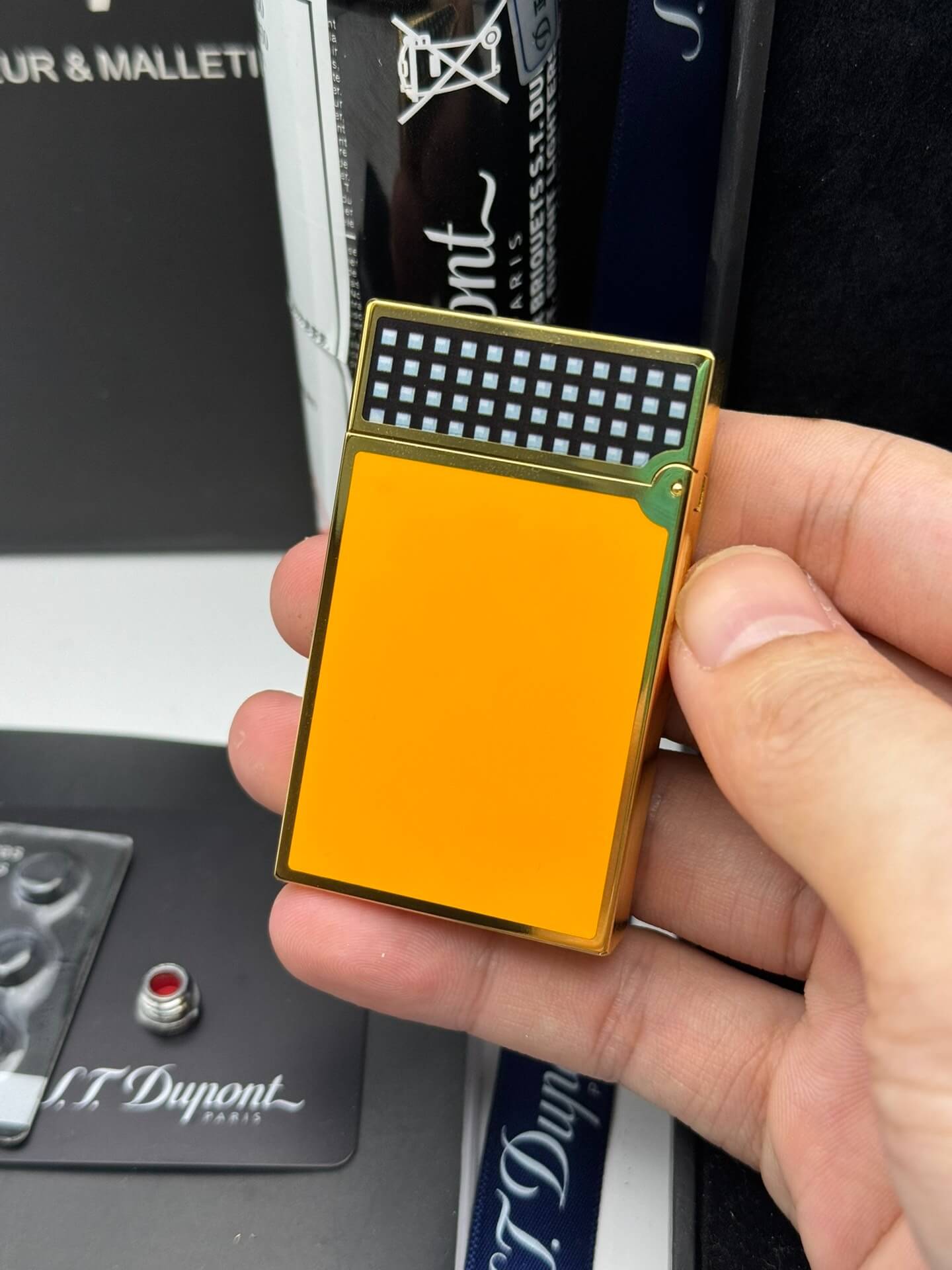
How to Tell a Real S.T. Dupont Lighter from a Fake
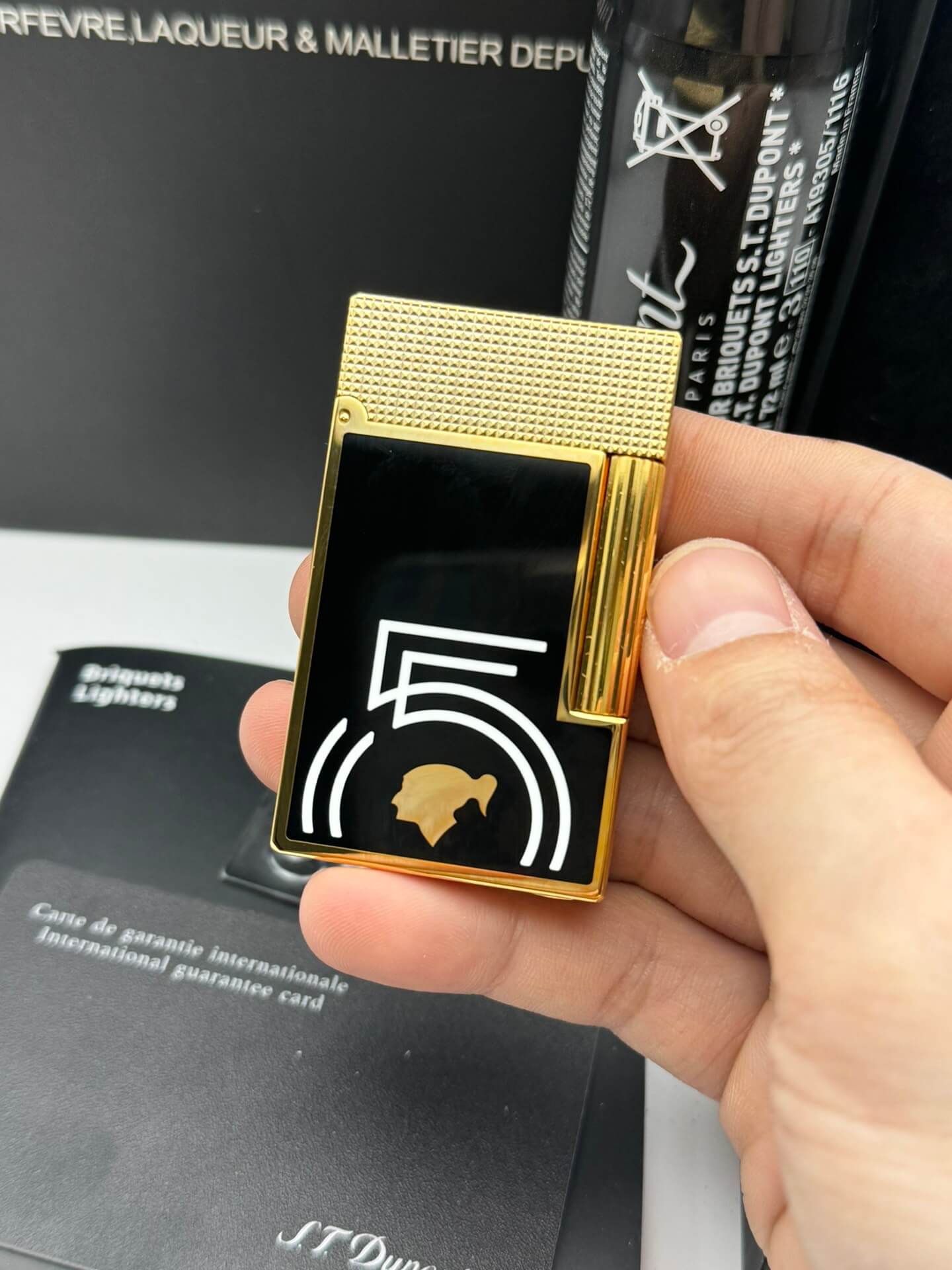
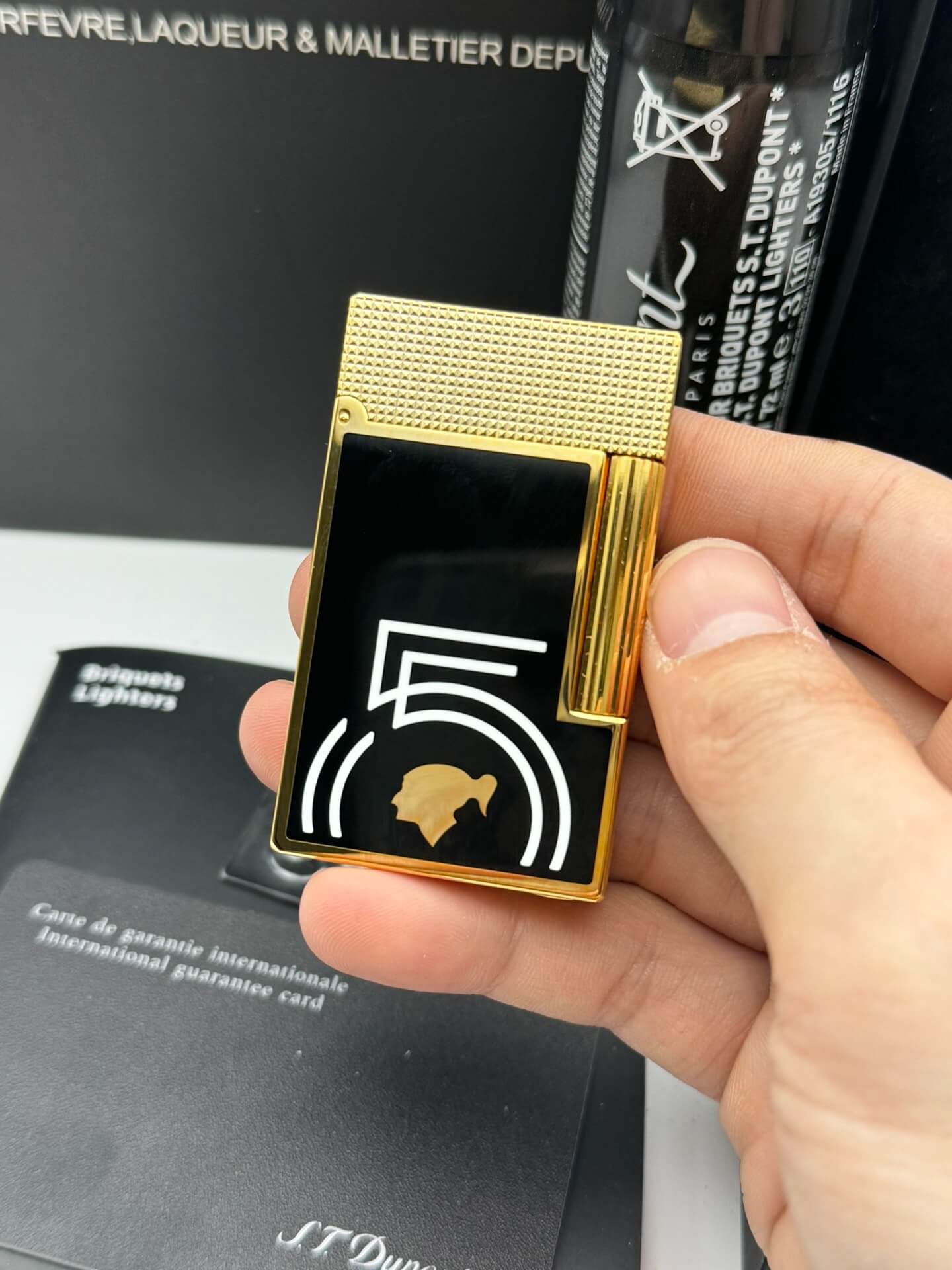
You found it: a vintage S.T. Dupont online for a price that seems too good to pass up. Before hitting "buy," industry data reveals that secondary markets are flooded with "super-fakes." These modern replica Dupont lighters easily trap buyers using flawless low-resolution photos.
Think of authentic pieces like high-end vehicles. Just as a luxury car door shuts with a satisfying thud, true S.T. Dupont lighter authenticity relies on tactile precision. Counterfeits consistently lack this physical density in your hand.
Fortunately, learning how to tell a real S.T. Dupont lighter from a fake requires zero specialized jeweler tools. A reliable verification process focuses on weight, signature sound, bottom stamping, and fuel valves.
Mastering these four steps allows you to confidently spot a counterfeit in under 30 seconds.
The Weight Test: Why a Genuine Ligne 2 Never Feels Like a Toy
Holding a genuine lighter should immediately surprise you with its sheer density. Authentic pieces are carved from solid brass, giving them a substantial, luxurious presence in your palm. If you are wondering, "are fake S.T. Dupont lighters made of brass?" the answer is almost always no. Counterfeiters typically use cheap, lightweight alloys to cut costs, resulting in a hollow, toy-like feel.
Getting specific with numbers confirms that premium hand-feel. Most authentic Ligne 2 models typically weigh between 90g and 110g. To picture this without a pocket scale, imagine holding two large eggs or a small stack of silver coins. Anything noticeably lighter is a glaring red flag.
Authentic vs Fake S.T. Dupont Ligne 2 Lighter: Weight Comparison
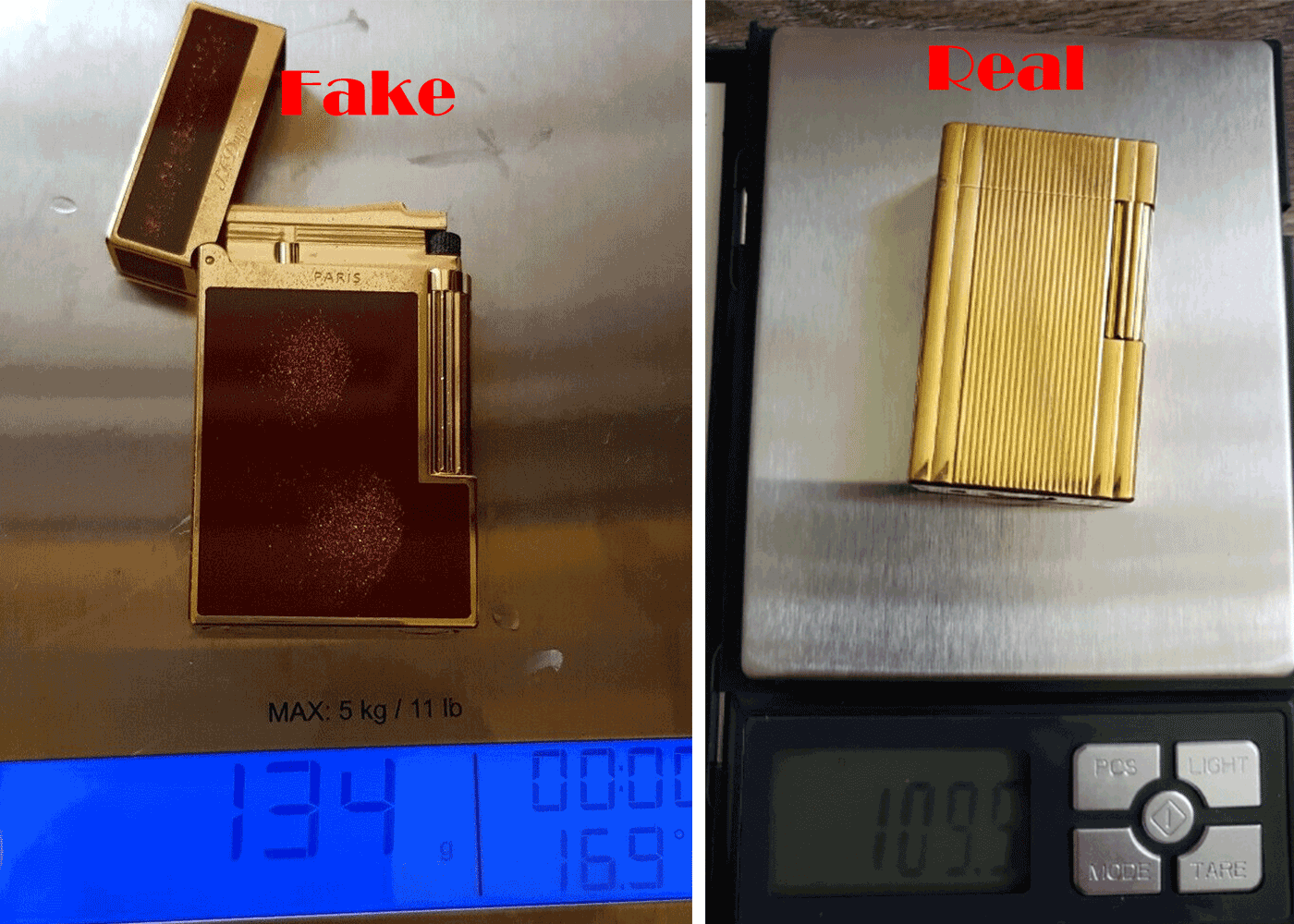
While this mass instantly disqualifies cheap knockoffs, weight is only half of the physical equation. Once the physical heft is confirmed, evaluating how the solid brass resonates provides the next critical layer of verification.
The Sound of Authenticity: Mastering the S.T. Dupont Ligne 2 Ping Test
Flicking open the lid of a Ligne 2 provides immediate and distinctly substantial tactile feedback. This specific model is famous for an acoustic signature that relies heavily on its solid brass body. To test it, hold the lighter loosely and use your thumb to sharply snap the lid backward. You want perfect lid-to-body alignment, which creates a sustained vibration rather than a harsh, mechanical stop.
When people ask what does a real S.T. Dupont sound like, the answer is a clear, musical "cling" that lingers in the air like a struck crystal glass. This lasting echo is true resonance. Counterfeiters using cheap metal alloys simply cannot replicate this vibration. Instead of a singing note, a fake typically produces a hollow "clink" or a dull, plastic-sounding thud.
Even a beautiful chime shouldn't be your only check, since some counterfeit hinges can successfully mimic the S.T. Dupont Ligne 2 ping sound test. Once you confirm the acoustic ring, the most undeniable proof of authenticity is found by flipping the piece upside down to examine the serial number on the base.
The 'Human Touch' Rule: How to Spot Machine-Engraved Serial Numbers
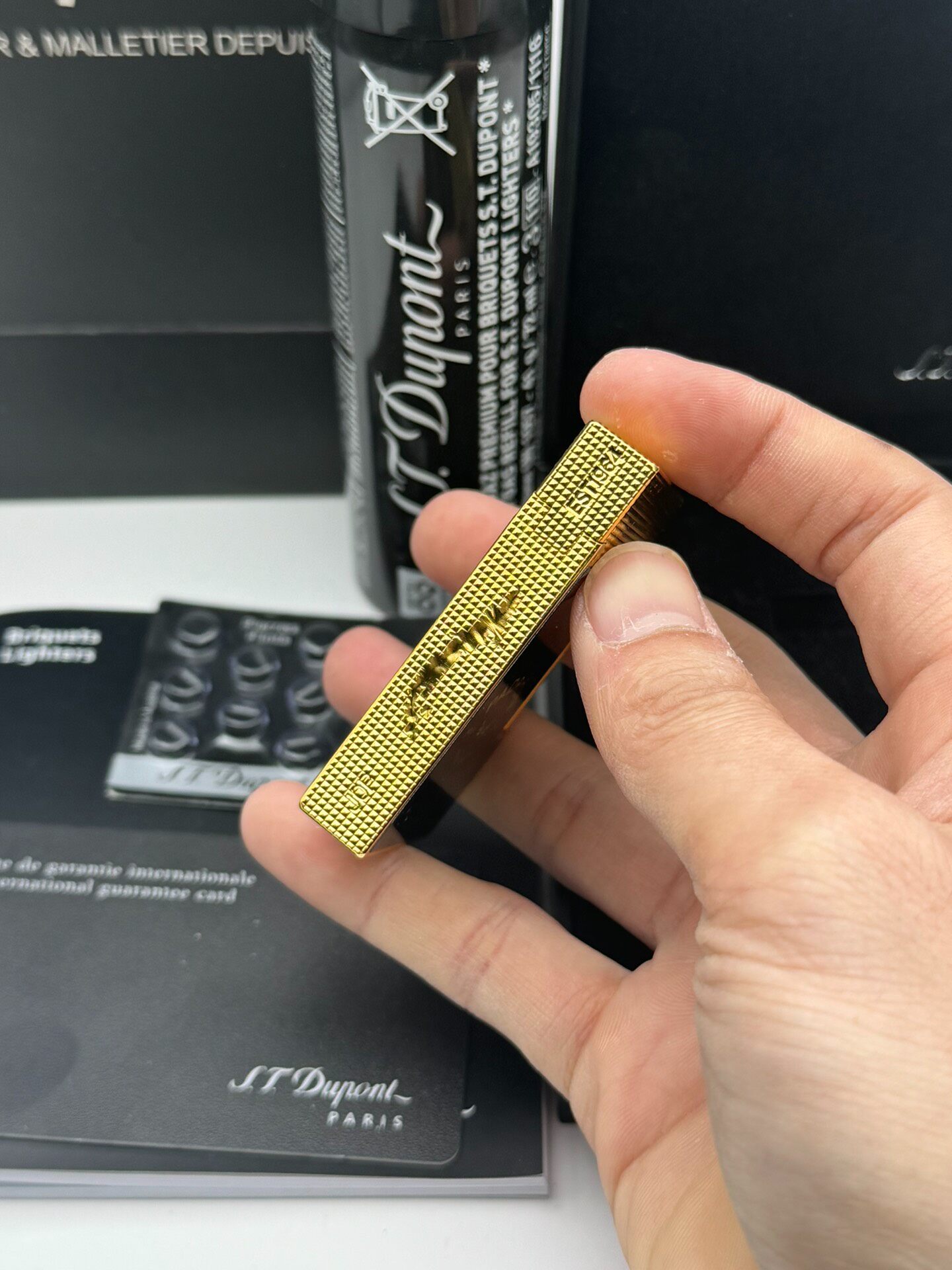
Flipping your lighter over reveals the ultimate battleground between French artisans and modern counterfeiters. While technology allows scammers to fake a shiny exterior, S.T. Dupont serial number authentication relies on charming imperfections. Authentic pieces are rarely flawless on the bottom plate because humans, not machines, create them.
Authentic S.T. Dupont serial numbers are typically slightly uneven, imperfectly aligned, and inconsistently spaced. This is a natural result of the hand-stamping process used in production, where each character is individually punched into the metal.
In contrast, counterfeit pieces tend to display the opposite pattern. Their serial numbers often appear perfectly aligned, evenly spaced, and strictly vertical, a clear indication of machine engraving or laser reproduction rather than human craftsmanship.
When comparing side by side, this difference becomes immediately obvious, as shown in the image below.
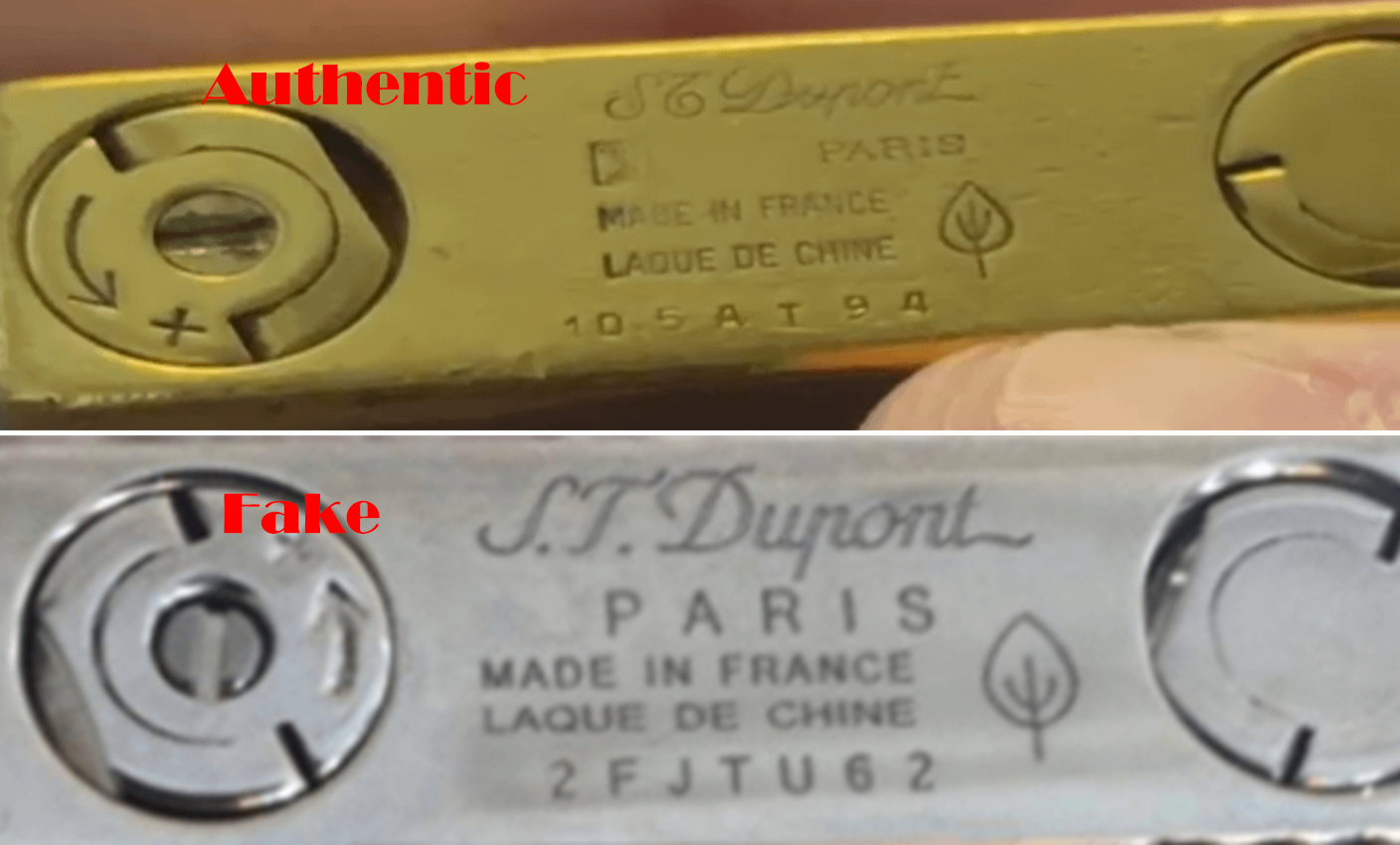
Recognizing the physical difference between a hand-stamped serial number vs laser engraved fake is your best defense. Factory workers strike each character individually with a metal punch. This means the numbers will often be slightly out of line, unevenly spaced, or pressed deeper on one side. Conversely, counterfeiters use computer-guided lasers that make the text look suspiciously straight and shallow.
Whenever you evaluate a potential purchase, use your smartphone camera to zoom in on the base and hunt for these four red flags:
- Perfectly aligned numbers
- Shallow laser etching
- 'Made in France' in a modern/thick font
- Missing or blurry leaf symbol
That tiny engraved plant is crucial if your lighter features painted panels. A genuine Laque de Chine leaf symbol must be crisp and detailed, proving authentic tree sap lacquer was used. After confirming these exterior metal engravings, twisting open the bottom screw uncovers hidden factory markings crucial for authentication.
If the serial starts with any of these codes, they are fakes:
Common fake serial prefixes include:
4FK (MOST COMMON FAKE SERIAL)
01D
02D
03D
04D
05D
05F
06D
07D
08D
09D
18C (Ligne 1 Fake)
11C
14A
14C
19G
19LT
1AA (Mainly seen on fake Ligne 2 models, however a few authentic Gatsby models have used this. So be cautious when authenticating a lighter with this as the first three characters.)
1AS
1A8** (This serial has been seen on both fake and authentic lighters, so please be careful)
1BC
1EP (Only seen currently on a new gen limited edition model)
1FA
1FJ
1FK (Seen on one authentic Ligne 2 model, stamped)
1GC
1GH
1GM
1J8
1JJ
1JG
1JN
1JS
1K8
1KS (Seen with fake hand stamped looking spacing errors, be careful and investigate the gas adjustment screw)
1K8
1RS
1ST
1T5
1XS
2A0 on Ligne 2 lighters. Authentic on Ligne 1 lighters
2AS
2K0
2JC
2JN
2JS
2FH (Seen on fake Soubreny models)
2FJ
Cracking the Secret Color Code Inside the Fuel Valve
Once you twist off that small cap, a crucial detail awaits inside. Any reliable S.T. Dupont authenticity verification guide points to a tiny dab of paint hidden within the valve cover recess. This splash of color—usually red, blue, green, or gold—is a deliberate factory code indicating which specific butane refill types the lighter requires. Scammers rarely bother recreating these hidden S.T. Dupont fuel valve color codes.
Authentic vs Fake S.T. Dupont Lighter Refill Cap Color Comparison, as Shown in the Image:
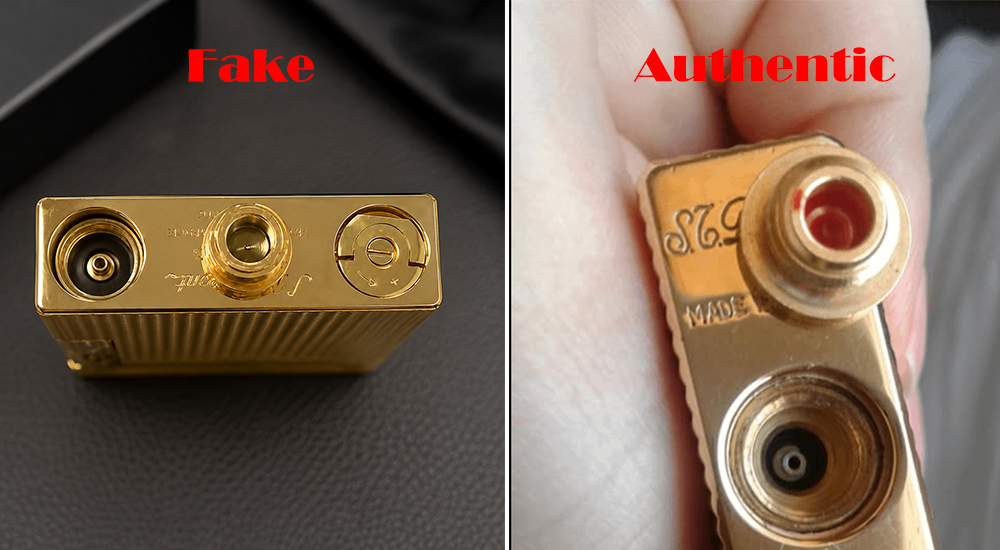
Beyond the paint, the metalwork hiding beneath provides another absolute giveaway. Authentic lighters are engineered with high precision, meaning the internal threads must look flawlessly machined. When performing this hidden cap check, the piece should unscrew with buttery smoothness. Gritty or roughly cut threads are immediate red flags indicating cheap counterfeit manufacturing rather than high-end French finishing.
Combining the acoustic signature, the hand-stamped engravings, and perfectly machined internal mechanics creates a foolproof defense against modern counterfeits.
Final Thoughts
Knowing how to identify an authentic S.T. Dupont lighter gives you the confidence to make informed purchasing decisions and avoid overpaying in the secondary market.
Before committing to a vintage or pre-owned piece, always verify the key authenticity markers:
- Weight check (90–110g)
- Sustained ping sound test
- Hand-stamped, slightly uneven serial numbers
- Fuel cap color splotch present
- High-quality box and paperwork
While authentic S.T. Dupont lighters remain highly collectible, many buyers are surprised to discover that much of the ownership experience comes from the design, balance, craftsmanship, and signature ping—not necessarily the logo itself.
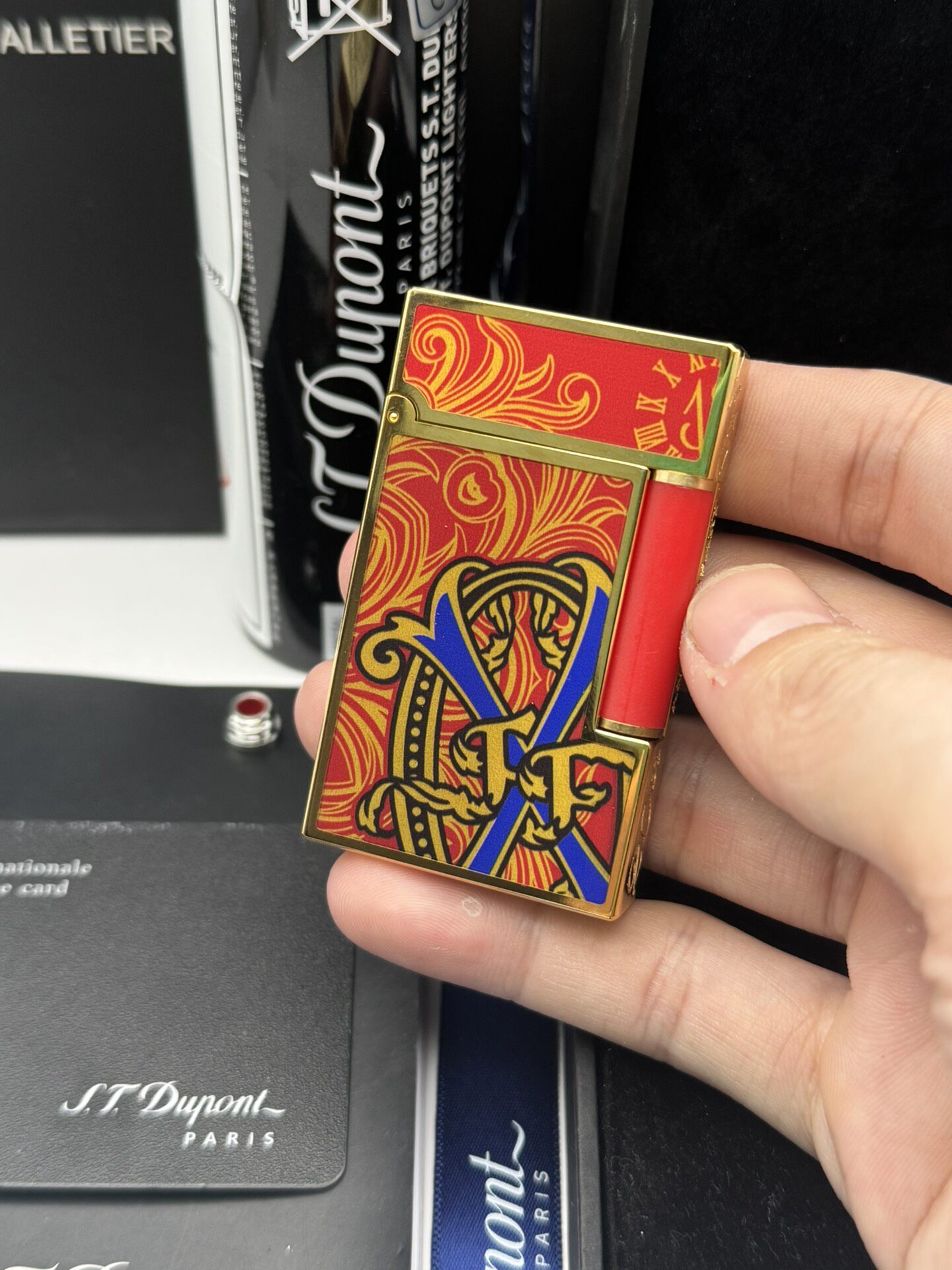
For those who appreciate the Dupont aesthetic but don't want to spend $800–$3,000 on a collectible piece, high-quality alternatives can deliver a remarkably similar experience at a fraction of the cost.
In the end, authenticity matters when you're paying authentic prices. The key is knowing exactly what you're buying and choosing the option that offers the best value for your budget.
.jpg?w=1000&h=1333)